

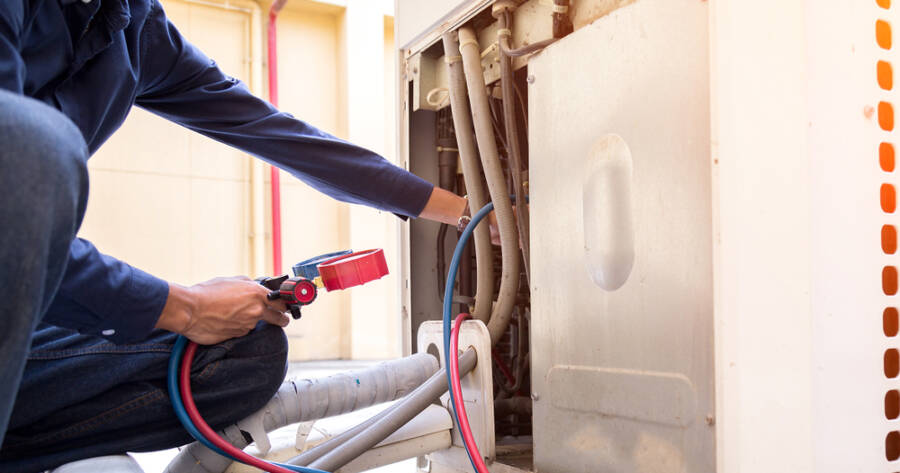
HVAC systems are essential for maintaining home comfort by regulating temperature and improving air quality. Choosing reliable HVAC professionals involves assessing experience, certifications, and customer feedback. Understanding installation costs, safety practices, and energy-efficient options supports confident decision-making and contributes to effective, long-term system performance.
Understanding HVAC Systems and Their Importance
Heating, Ventilation, and Air Conditioning (HVAC) systems are integral to maintaining comfort in homes, especially in regions with extreme weather conditions. These systems not only regulate temperature but also improve indoor air quality and energy efficiency.
Proper installation and maintenance of HVAC systems are crucial to ensure their longevity and performance. A poorly installed system can lead to high energy bills, frequent breakdowns, and even safety hazards due to technical complexities involved in HVAC installations.
Choosing the Right HVAC Company
Selecting a reliable HVAC company is a significant decision for homeowners. It is essential to consider factors such as the company’s experience, customer reviews, and accreditations. A reputable company will have a valid state HVAC license, which ensures they meet all necessary experience and training requirements and can legally perform installations. Additionally, certifications like the North American Technician Excellence (NATE) indicate a contractor’s expertise and up-to-date knowledge in servicing HVAC systems.
Evaluating HVAC Contractors
When evaluating potential HVAC contractors, it is advisable to seek referrals from friends, neighbors, and local trade organizations. This initial step helps narrow down options to companies that have been vetted by others. However, it is crucial to perform due diligence by checking company websites for reviews, ratings, and testimonials to assess the contractor’s reputation and customer service responsiveness before making a decision.
Importance of Home Evaluation
A comprehensive home evaluation is essential for determining the right HVAC system. The best contractors will assess the home’s heating and cooling needs, considering factors like insulation, ductwork, and window placement. This evaluation should lead to a transparent bidding process with detailed written estimates. It is advisable to obtain multiple estimates to compare pricing, warranties, and services to ensure the best choice.
Understanding HVAC Costs and Savings
The cost of HVAC installation and maintenance can vary significantly based on the type of system and the complexity of the installation. Homeowners should be aware of the price ranges for different systems like split, hybrid split, heat pump, and packaged heating and air. Additionally, exploring available rebates and special offers on ENERGY STAR qualified equipment can help reduce costs. ENERGY STAR products are energy-efficient and can lead to significant long-term savings by reducing energy consumption.
Ensuring Safety and Compliance
Safety is paramount in HVAC installations due to the involvement of high voltage electricity, combustible gases, and other hazards. Companies should have strict safety protocols and trained employees to minimize risks. Pulling permits is a legal requirement for HVAC installations, ensuring that work is inspected and meets all safety and code requirements. This process protects both the customer and the company by ensuring compliance.
Why You Should Learn More About HVAC Systems Today
Understanding HVAC systems and the process of selecting the right contractor is crucial for homeowners looking to maintain comfort and efficiency in their homes. By being informed about the various aspects of HVAC systems, from installation to maintenance, homeowners can make better decisions that lead to long-term savings and improved home comfort. With the right knowledge, selecting a reputable HVAC company becomes a straightforward process, ensuring that the system is installed correctly and operates efficiently for years to come.